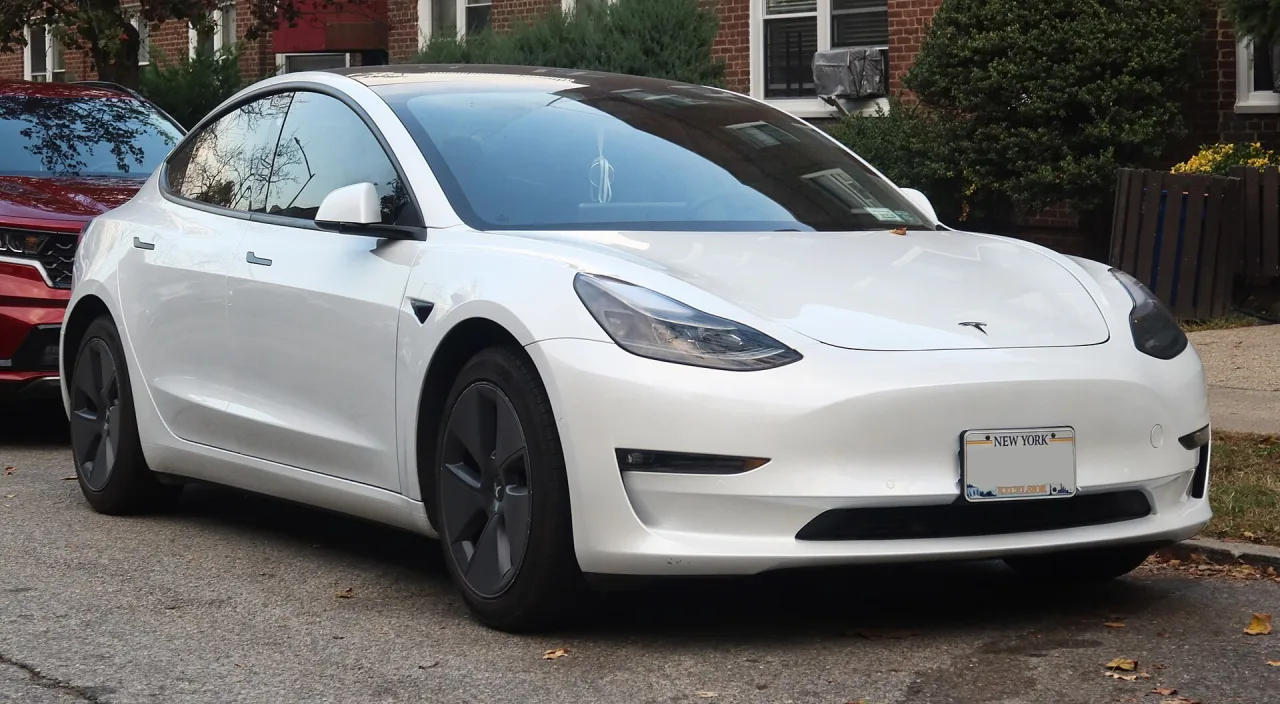
Identify the individual Model 3
Production date, original market, configuration and revisions matter. Long Range or Performance alone does not identify every component and feature. Begin with the VIN, build date, first registration and exact version. Tesla's current online manual can cover a different revision from the car you are considering, so use the relevant documentation and vehicle menus. This guide does not assign a universal degradation percentage or certify a battery from a dashboard photograph. It explains how to obtain useful evidence and assess whether electric ownership fits your circumstances.
Establish your charging arrangements first
Confirm suitable charging at home, work or along your usual routes. Have a home installation assessed and establish parking permissions. For public charging, check connector compatibility, payment arrangements, current tariffs and alternatives. A map marker does not guarantee availability when you arrive. Plan a backup for important journeys. Convenient charging can matter more in everyday use than a larger official range figure. Use actual energy prices when building a budget rather than assuming that every charging session costs the same.
Displayed range is not a health certificate
A displayed distance depends on how the vehicle represents available energy and on conditions. Request a dated battery assessment with its method and issuer where available. During a sensible test, record initial charge, temperature, route and consumption. Compare like-for-like units and charge levels. A motorway range difference from an official figure does not alone prove a fault, while an optimistic display does not rule one out. If an observation is unclear, use a suitable specialist rather than inferring full battery condition from one number.
Confirm the applicable warranty
Tesla explains that the new-vehicle warranty follows the vehicle when ownership transfer is completed. Actual term, mileage limits and exclusions depend on the applicable document, configuration and market. Ask when coverage began and what remains for this VIN. Buying privately does not automatically add the separate cover offered with a vehicle sold through Tesla's own used-car programme. Keep written confirmation. A warranty reference in a listing is not the contract, and a contractual capacity threshold is not equivalent to a measured current state of health.
Demonstrate charging separately
Try compatible AC charging and, where reasonably practical, an appropriate fast-charging session. Observe warnings, connector locking and charge-port operation. Do not compare an instantaneous power figure directly with an advertised peak without considering battery temperature, charge level, charger and preparation. Identify supplied cables and adapters for the market where the car will be used. Do not improvise electrical work. Diagnose charging problems before committing rather than assuming that a future software update will cure every symptom.
Cold weather and cabin functions
Tesla's documentation explains cold-weather preparation and scheduling. Identify which features the actual vehicle offers and how you will use them. A winter plan must account for cabin heating, speed, weather and stops. A summer demonstration does not promise identical range in every month. Test climate control, demisting and advertised heating equipment. A registration year alone is insufficient evidence for a particular technical component. App-based functions also depend on arranging correct ownership and access transfer.
Physical inspection still matters
An electric car still has tyres, brakes, steering, suspension and bodywork that can be worn or damaged. Have the underside and any impact evidence assessed without touching high-voltage components. Investigate noises, uneven tyre wear and steering behaviour. Test windows, boot openings, handles, seals and cameras. Discuss previous body and sensor repairs with the inspecting specialist. Low mileage is not evidence of an incident-free history, and not needing engine oil changes does not eliminate maintenance or repairs.
Software, assistance and account handover
Ask to see functions on the actual car and clarify what the offer includes. Availability can depend on region, hardware and service terms. A trial or subscription is not automatically a transferable permanent option. Driver assistance does not make the vehicle autonomous and must be used according to the relevant manual. At handover, arrange ownership transfer, remove previous access and confirm the promised keys and cards. Do not exchange personal account passwords. Ask for written answers about included accessories, history, warranty and charging before travelling. Your purchase decision should combine that evidence, an appropriate inspection and a charging plan that genuinely works for you.
Compare battery reports carefully
A capacity test, parameter reading and range-derived estimate may measure different things. Check dates, method and limitations before comparing percentages. Ask the issuer when the method is unclear and retain the full report rather than only a favourable extract. At handover, agree the order of documents, payment, keys and account transfer. Verify promised functions without accepting another person's password. For transporter delivery, give the provider the applicable Tesla transport instructions and obtain confirmation of suitable loading and securing methods. Do not assume every method used for a conventional car is suitable. Document the included accessories and any unresolved conditions.