Compare configurations, not just the name
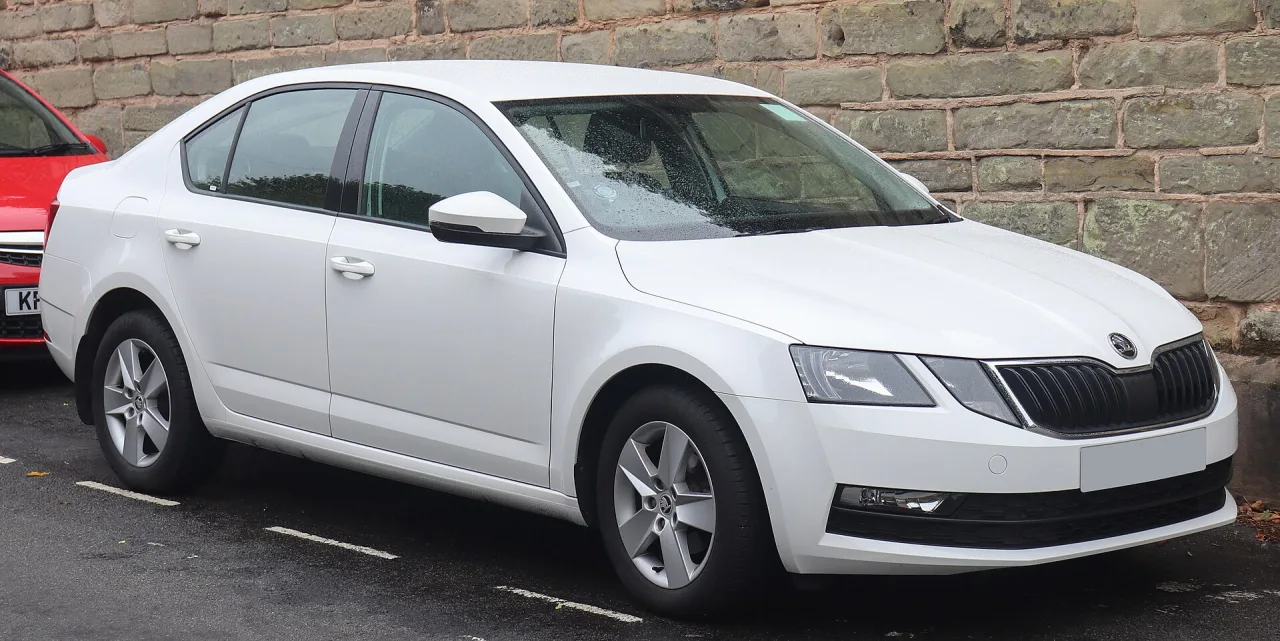
Octavia III covers liftback, Combi and variants such as RS, Scout and G-TEC. Škoda documents production beginning in 2012, market introduction in 2013 and a major update in 2017. Build year and first registration are different facts. Identify body, engine, transmission and origin before comparing asking prices. This is a selection and inspection guide, not a claim that a particular mileage guarantees good or poor condition.
Try the space yourself
Test the luggage opening, load height and folding arrangements with the objects you actually carry. Inspect the floor, load cover, closing mechanism and promised accessories. Look for moisture or repairs in storage areas. Test rear-seat access and child-seat installation according to the manual. For work use, check the documented weight limits: a large luggage area does not mean unlimited payload. Practical testing can remove an unsuitable configuration before paying for a full inspection.
Identify the 2017 update
The changed front end is a useful visual clue, but actual equipment still requires VIN-related confirmation. Do not assume every updated example has the same lights, screens or assistance functions. Registration in the update year can include earlier stock, and repairs can change visual details. Request an equipment record and use it as a demonstration checklist. Record the features important to you clearly in the conversation and written offer rather than relying on a long, ambiguous trim description.
Choose TSI or TDI around your use
Describe journey lengths and cold starts before selecting fuel type. Repeated short trips and long-distance use create different requirements. For a diesel, obtain assessment of emissions-control systems and intervention history. For petrol, check cold starting, normal running and maintenance of the exact engine. TSI and TDI each cover different versions; identify the engine code rather than transferring an online story about another mechanical family to this car. Use consumption observed in described conditions and your own fuel price.
Separate gearbox and all-wheel-drive checks
Identify the transmission and its applicable maintenance requirements. Test DSG at low speed, in reverse and after warming; assess manual clutch and gear operation without abuse. Investigate vibration or noise before negotiating. On a four-wheel-drive example, identify the installed system, its maintenance and the condition of tyres and visible components. All-wheel drive does not replace suitable tyres. Obtain estimates for actual findings rather than assuming one generic repair budget covers every Octavia.
RS, Scout and G-TEC need specific questions
Choose these variants for a reason. On a performance example, clarify modifications and relevant equipment approval. Inspect the underside of a car used on difficult roads. For G-TEC, establish the natural-gas system and applicable checks; do not confuse it with LPG. Suitable fuel availability must fit your routes. A badge cannot replace documents or a competent assessment of a fuel system. Consider practicality and real operating arrangements alongside the advertised specification.
Evaluate fleet history from evidence
Clarify company, taxi or delivery use where relevant. A company-owned car is not automatically poor, and private ownership does not establish light use. Build a timeline of invoices, inspections and mileage records. Seat, control and luggage-area wear are reasons for questions, not precise odometers. Establish that documents and the seller support the proposed transaction. For imports, understand remaining registration steps before a deposit. Material explanations should be supported by records.
Equipment, inspection and total cost
Connect your phone and test screen controls, climate, fitted seat heating and parking equipment. Ask about connected-service limits and subscriptions. Check an optional panoramic roof for operation and moisture. Driver assistance must be demonstrated safely and used according to its manual. A useful independent inspection includes body repairs, suspension, brakes and suitable diagnostics. Compare the same body, engine, gearbox and age, then separate repairs, transport, warranty and trade-in cash difference. Confirm keys, accessories and handover documents. The benefit of an Octavia comes from the condition and configuration fitting your family or work needs, with important costs understood before purchase.
Try a family use case
Set the driving position, then assess rear access and the luggage you genuinely need. On a Combi, establish how loads can be secured with manufacturer-provided arrangements. A large opening does not make loose heavy luggage safe. For fleet stock, request individual records for each VIN. A common servicing policy does not establish identical condition across several cars. Compare invoices, wear and inspection findings individually. Clarify who signs the sale and provides any warranty. Ask what price and VAT treatment the seller is documenting; an advertisement label alone does not determine a buyer's entitlement to deduct tax.