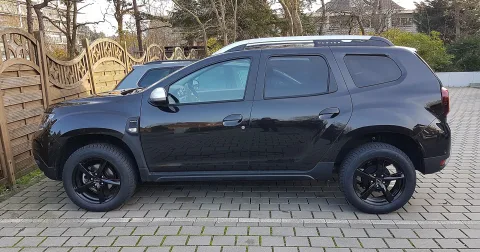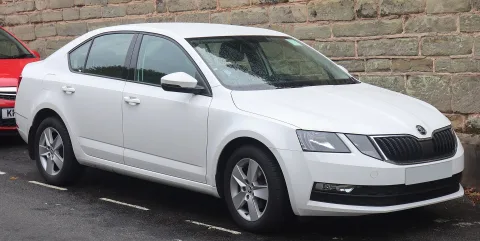
Compare genuinely similar vehicles
Start with the same generation, powertrain and transmission, plus a reasonably close age and mileage range. Equipment, origin and condition differences may matter more than a small price gap. Separate full cash prices from deposits and monthly payments. Check VAT treatment and offer conditions before placing figures side by side; otherwise, apparently similar numbers may represent very different arrangements.
Recognize what is actually visible
Advertisements show what sellers ask, not necessarily what buyers eventually pay. A removed listing proves neither a sale nor its final price. A recorded reduction shows a price change without establishing why it happened. It could be a commercial adjustment, changed conditions or new information. Ask for context when it affects your decision rather than assuming that every reduction has the same explanation.
Use the indicator as a starting point
Where enough comparable evidence exists, Carletta’s indicator describes the price against asking prices in its sample. It does not inspect the car or guarantee future resale value. Check sample size, sources and observation dates. An insufficient-data message is preferable to a made-up valuation, especially for a rare version or an advertisement missing important specifications.
Negotiate about the individual car
After inspection, discuss necessary repairs and concrete differences from the description. Give an amount with reasons rather than presenting only the cheapest advertisement you found. That comparison may have different conditions or unseen issues. Keep your personal maximum budget separate: a price close to the sample does not automatically make it affordable. A useful negotiation can end without a purchase when condition, evidence and budget do not align.