Start with fit rather than engine size
Think about your experience, normal routes and ability to manage the motorcycle when stationary. With the seller’s permission and suitable support, check the riding position, reach to the controls and mirror view. A seat feeling comfortable for a few seconds does not establish comfort on a journey. Ask an instructor for guidance if you are returning after a break or considering an unfamiliar type of motorcycle.
Look beyond the bodywork
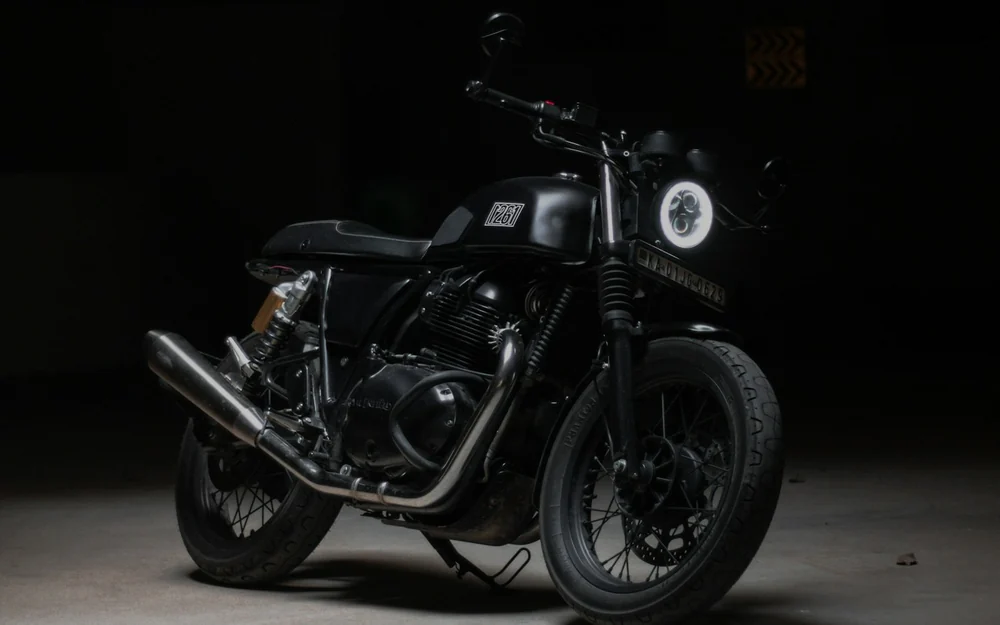
Request service records and explanations of falls, repairs and modifications. Attractive photographs may reveal little about mounting points, drivetrain wear or fluid leaks. Compare the vehicle identification with its documents and establish which accessories are included. A replaced component can have an ordinary explanation. What matters is receiving a coherent account that can be checked, rather than drawing conclusions from a change of colour alone.
Arrange a motorcycle-specific inspection
The Motorcycle Safety Foundation’s T-CLOCS checklist groups checks around tyres and wheels, controls, lights, fluids, chassis and stands. Use these topics as workshop questions alongside the model’s manual. Do not improvise lifting equipment or adjust brakes and steering from generic advice. A qualified specialist should evaluate suspected defects and explain the limitations of the examination before the motorcycle is used.
Allow for equipment and preparation
Budget for suitable protective equipment, training, initial servicing and identified consumables. Before any test ride, confirm the correct riding entitlement, the owner’s permission and applicable insurance arrangements; postpone the ride if these remain unresolved. Agree in writing which checks will happen before payment. A sensible purchase leaves time to become familiar with a suitable motorcycle instead of allowing pressure to turn collection into an unplanned first ride.