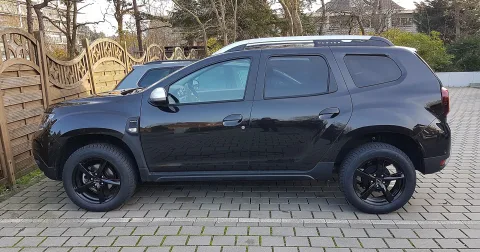
Ask the right question first
Checking a recorded valid ITP answers a specific question about periodic technical inspection. It is not a complete forecast of repairs or a description of every kilometre driven afterwards. Use RAR’s tool according to its instructions with correct identifiers. When a result is absent or conflicts with documents, seek clarification through official channels instead of inventing a convenient explanation for the discrepancy.
Define the additional inspection
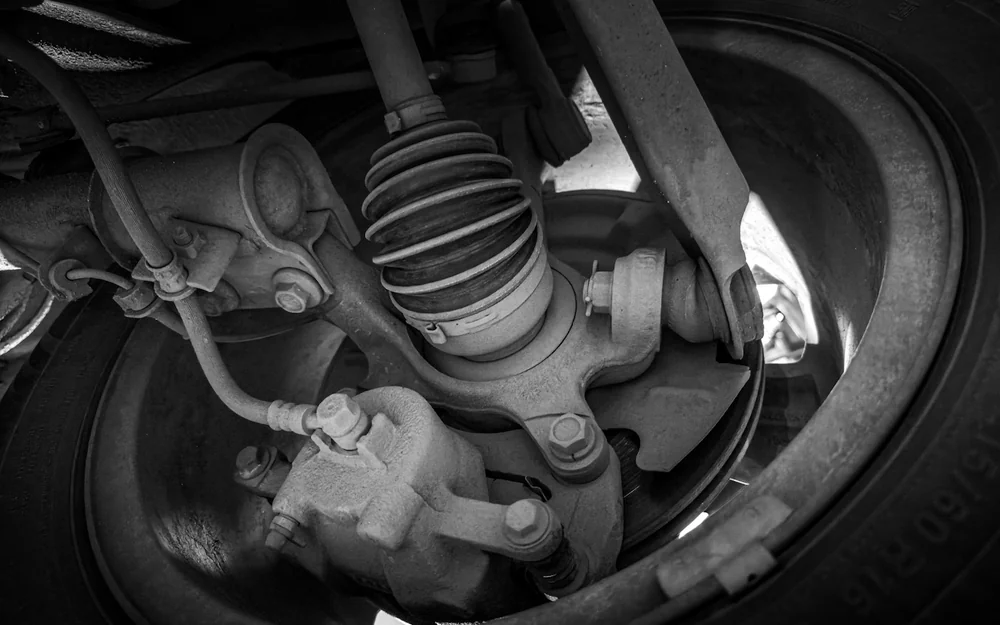
For a purchase or an ownership concern, request an assessment with an agreed scope: components, symptoms, history and testing conditions. Workshop packages are not all identical. Ask whether lift inspection, diagnostic work and examination of repair evidence are included and who explains the findings. A name such as “comprehensive check” should be backed by a real task list rather than inferred from advertising.
Put findings on a timeline
Every inspection describes what could be observed at that time under those conditions. An intermittent fault may need a different investigation, and a new problem can develop later. Keep the date, mileage and report to understand changes. Before comparing conclusions, establish whether the same components and circumstances were assessed. Ask about differences rather than automatically choosing whichever result sounds most reassuring.
Use both types of information responsibly
A recorded ITP does not cancel out a new noise, warning or safety concern. Do not wait until the next periodic inspection to seek qualified help when a problem arises. Equally, a commercial assessment does not replace the documents and inspections required for road use. Combine checks, history and the seller’s explanations when deciding on a purchase, without turning one document into a general guarantee.