Start with two different situations
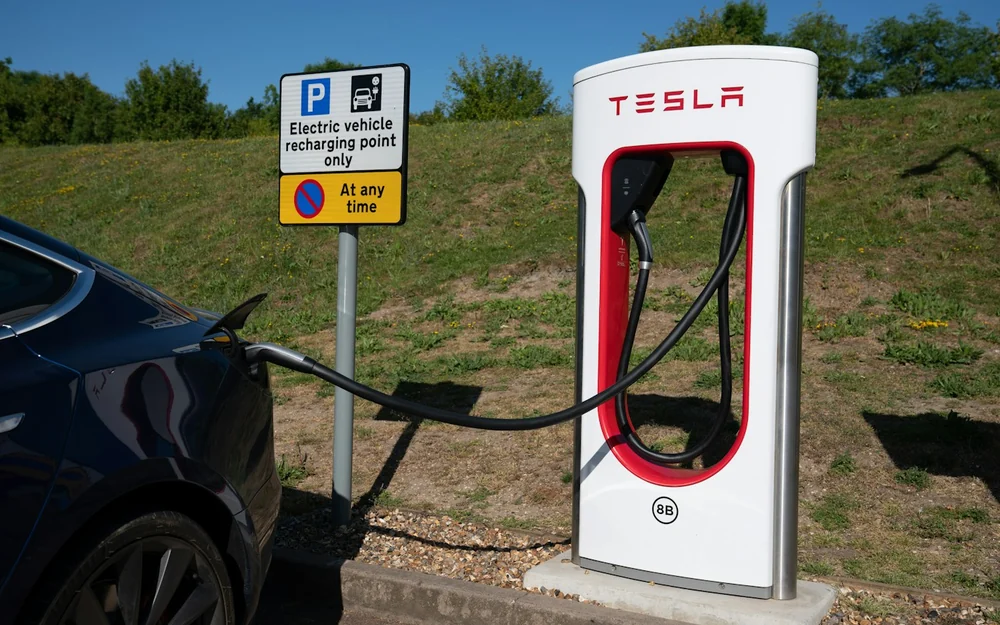
AC charging during a long parking stop and a rapid DC stop on a journey serve different needs. Include both in your comparison. Ask for the charging specification of the actual version advertised: equipment and options can differ within the same model or production year.
Compare equivalent intervals
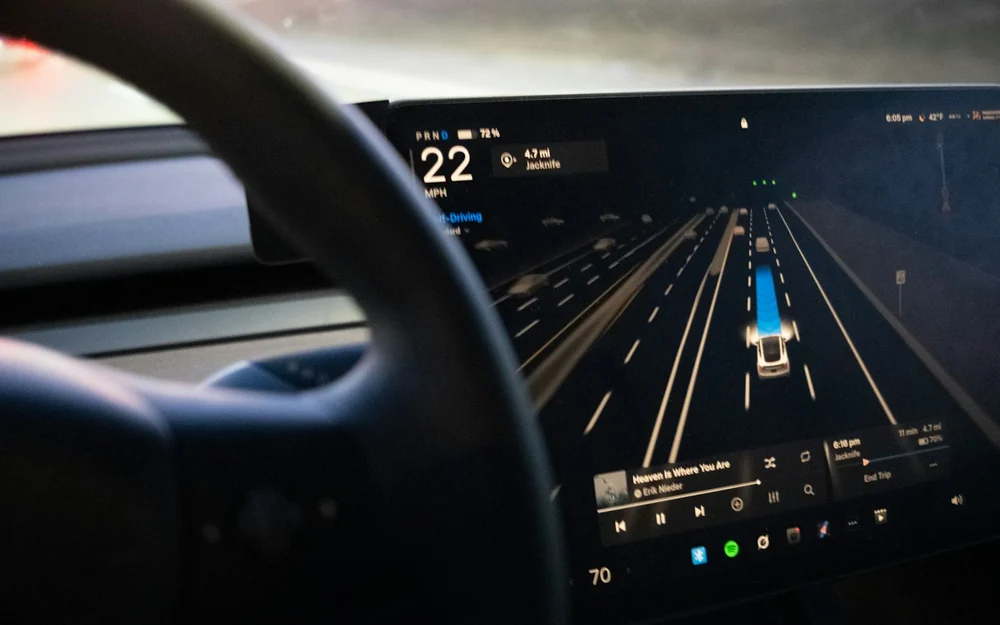
A charging time without starting and finishing percentages is incomplete. Compare the same intervals and read the stated conditions, including temperature, battery preparation and charger power. A peak figure in kW is not a promise that the car will maintain that rate throughout the session. Keep power separate from energy, which is expressed in kWh.
Include the charger you will use
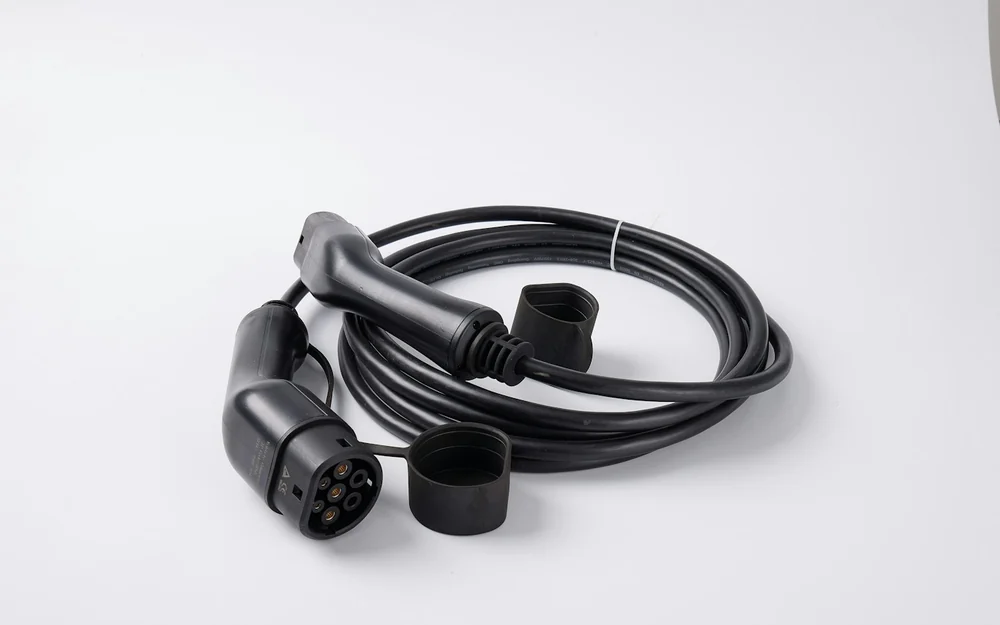
A car capable of accepting a particular rate will not receive it from every connection. Check available power, installation limits and the required cable. If most of your charging will use AC, an on-board charger difference may matter more to your routine than an impressive DC peak in a brochure.
Ask for a straightforward demonstration
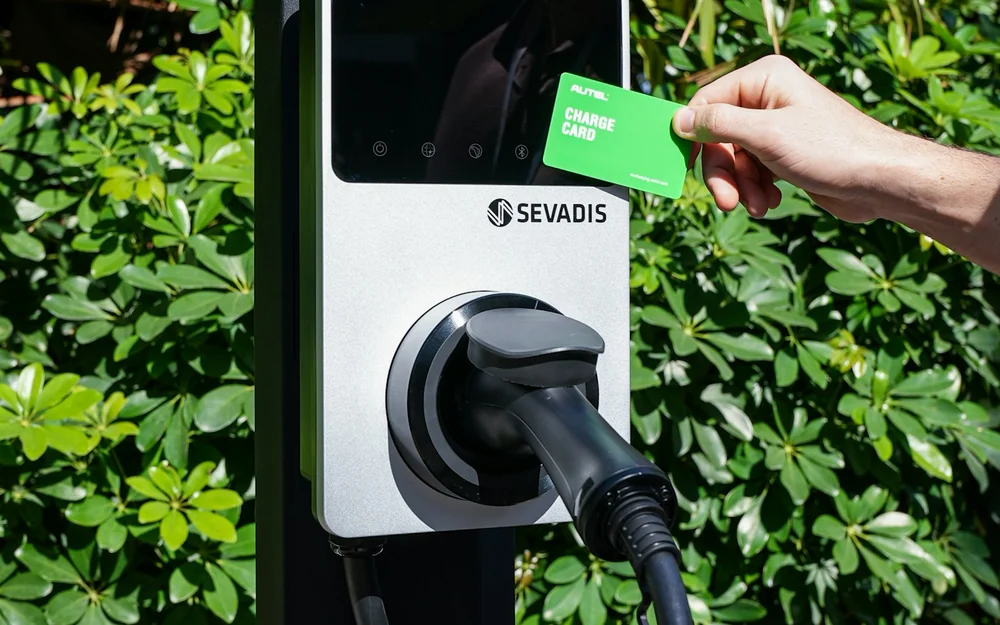
With the seller's agreement, connect the car to a suitable charger during the viewing. Observe whether a session begins, whether faults appear and whether charging can be stopped and the connector released using the vehicle's procedure. A brief session is not a complete battery test. For your final comparison, estimate the whole stop, including access, payment and parking, rather than only the minutes in the charging table.