Clarify the description
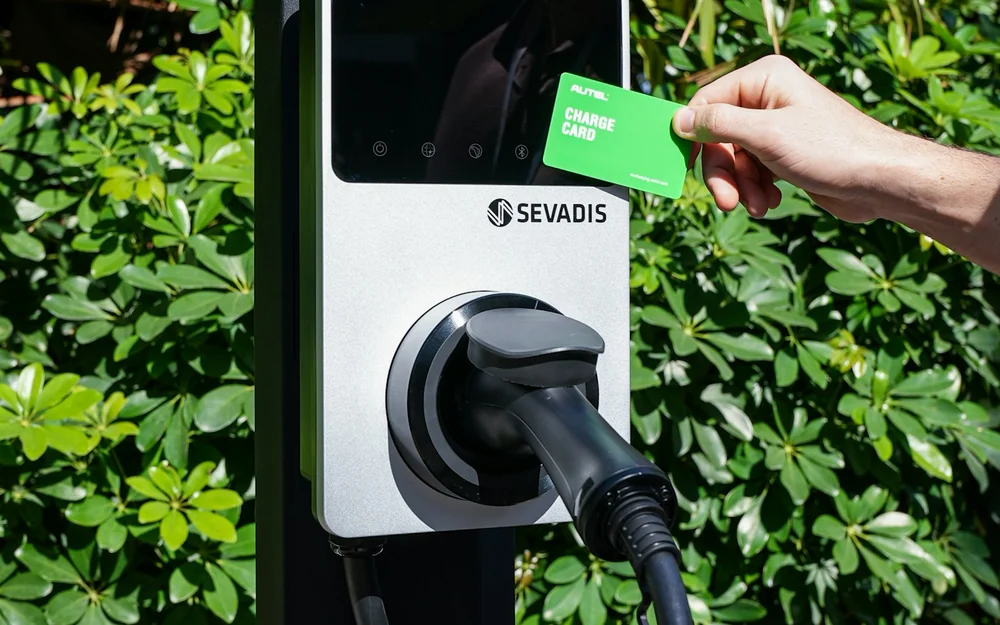
A conventional hybrid and a plug-in hybrid do not have identical charging routines. A plug-in can receive energy from an external supply, whereas a conventional hybrid does not require that routine. A fully electric car organises its journeys around battery charging. Check the actual powertrain rather than relying on a general label selected in an advertisement.
Write down repeated journeys
Separate short commuting, urban traffic and long trips. Record where charging is genuinely available and how long the car stays there. For a plug-in hybrid, also calculate a scenario where regular charging does not happen. A combined brochure consumption figure should not automatically stand in for every one of these personal situations.
Compare complete vehicles
Alongside price, consider usable space, permitted load, history, insurance and the manufacturer's maintenance requirements. A plug-in needs an appropriate inspection of both its electric system and combustion engine. Advertised electric range alone says little about the condition of those systems or the car's suitability for your regular route.
Test the central assumption
If your choice depends on workplace charging, confirm access and conditions. If it depends on completing most commuting electrically, request a representative demonstration and allow a reserve. Without practical charging access, do not justify a plug-in using sessions you are unlikely to complete. Choose the approach that works in an ordinary week, including days when the convenient arrangement is unavailable.