Map an ordinary week
Write down the journeys you make from Monday to Sunday and where the car normally stays parked. Separate commuting from occasional long trips. The useful question is whether charging can happen during a stop you already make, rather than requiring a separate evening journey every time you need energy.
Check access, not just the map pin
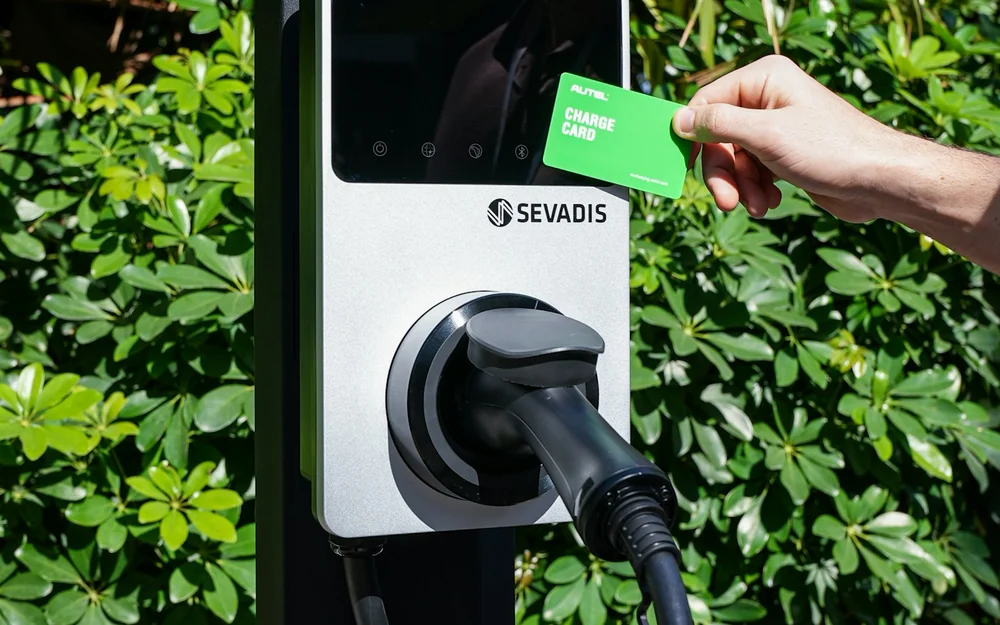
A charger near your office might have restricted opening hours, reserved access or paid parking. Read the operator's conditions and visit at the time you would normally use it. Identify a nearby alternative. A map symbol does not confirm that a connector is available, working and compatible with your chosen car.
Have the home installation assessed
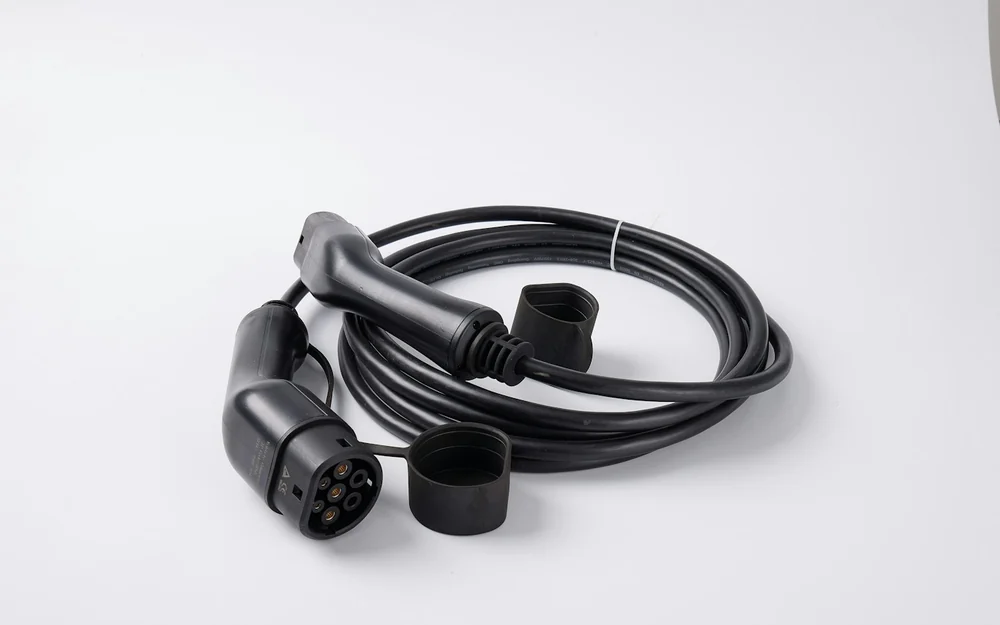
If you have your own parking space, ask a qualified installer to assess the supply, protective equipment and installation. In an apartment building, also establish parking rights, required permissions and metering arrangements. A power estimate based on photographs is not a substitute for inspecting the installation. Do not improvise charging through extension leads running from a window or across an access route.
Try the routine before buying
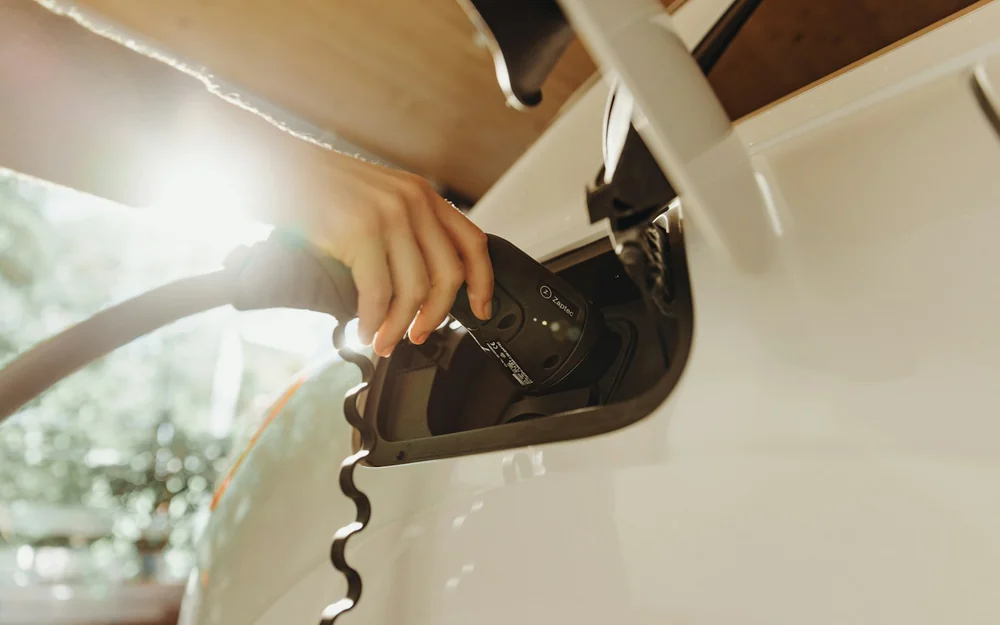
Set aside a day to simulate the proposed arrangement: reach the charger, check payment and measure the whole stop, including walking time. Compare a convenient scenario with one where your preferred charger is unavailable. Only then decide how much range you need. The right EV fits a routine you can realistically maintain, rather than merely offering the largest advertised number.