Identify generation and purpose
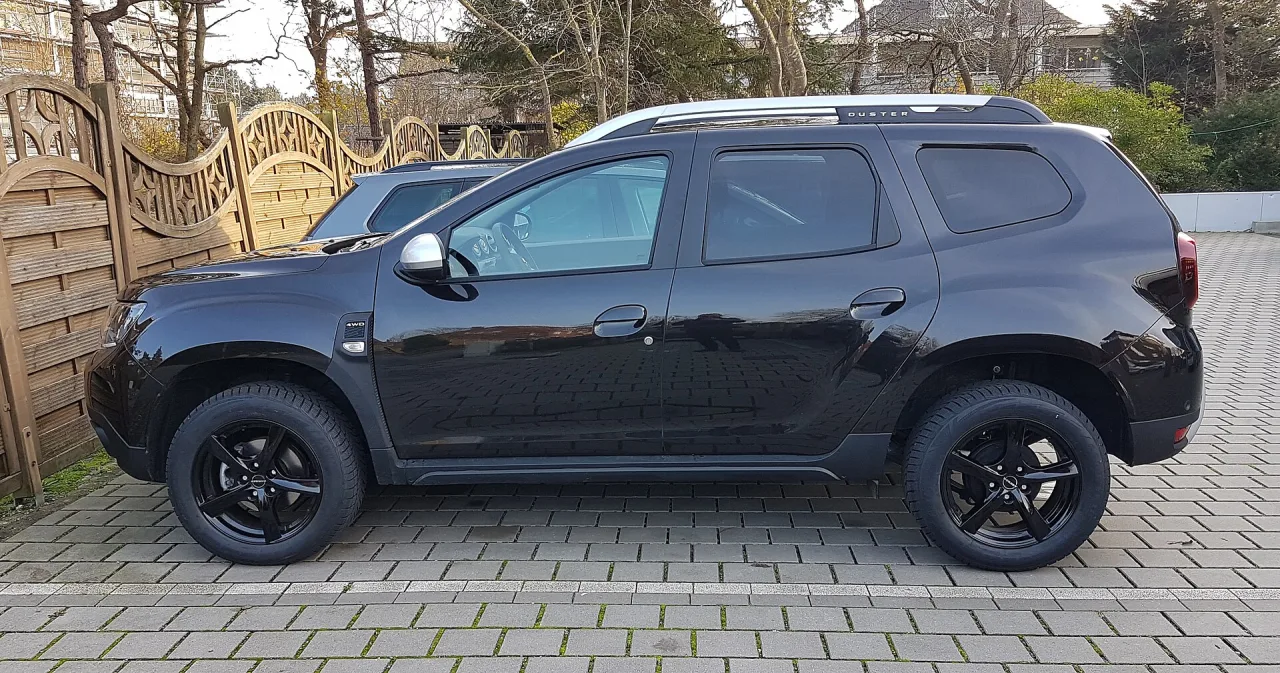
The second-generation Duster was presented in 2017. Used listings include different periods and the update presented by Dacia in 2021. A badge or equipment change does not alone establish a new generation. Confirm production date, engine and driven wheels from the documents. This guide helps evaluate an individual car; it does not promise that an SUV can tackle every road. Your actual surfaces, space requirements and maintenance budget are better starting points than a dramatic off-road photograph.
Choose 4×2 or 4×4 around real routes
Describe normal roads, unmade sections and winter conditions. Neither driven-wheel label replaces an assessment of traction and suitable tyres. On a 4×4, identify the system and have transmission components, tyres and underside checked. Do not explore a vehicle's limits on unknown terrain during a viewing. Follow the manual and access permissions. For predominantly urban use, compare the cost and maintenance of configurations without automatically paying for equipment you will rarely need.
Identify the actual engine and fuel system
TCe and dCi names cover different engines and years. Obtain the engine code, capacity, output and emissions specification. Do not transfer a recommendation or warning about one engine to every version. On a diesel, assess emissions-control systems and intervention history. For LPG, establish the installation's origin, documentation and applicable checks, including the tank. Competent personnel must assess the system; do not improvise leak testing. The fuel system advertised must agree with the vehicle's documentation and proposed use.
The 2021 update and EDC
Dacia's 2021 announcement described design, multimedia and comfort changes and availability of the EDC dual-clutch automatic in the updated range. It does not mean that every updated Duster is automatic or that every engine and driven-wheel combination was offered with it. Confirm the exact version. Test gentle manoeuvres, reverse and warm operation. On a manual, assess clutch and gear engagement without abuse. Obtain maintenance records and investigate symptoms before committing rather than assuming a routine service will remove an unexplained noise.
Inspect evidence of previous use
Arrange a safe lift inspection. Impacts, damaged protection, deformed components and repairs require explanation. Use on unmade roads does not automatically make a car unsuitable, but condition and maintenance must support its history. Clean paint or freshly washed components are not a verdict. Have brakes, suspension, transmission and visible mounting areas assessed. Never go beneath a vehicle supported only by a jack. Compare findings with invoices and the seller's description.
Tyres, comfort and daily equipment
Check approved tyre sizes, age, type, wear and compatibility, particularly on a four-wheel-drive example. Tyres selected for particular terrain may involve road-use compromises. Obtain replacement costs and investigate vibration or abnormal wear. Try seat position, visibility, passenger access and your actual luggage. Operate climate control, windows, locks, multimedia and any advertised cameras. A large display does not establish every software function. Inspect moisture and promised accessories. Confirming a short list of real features is more useful than a generic options list.
History and maintenance planning
Build a dated timeline of servicing, mileage and repairs. Establish work approaching under the exact engine's documentation rather than applying a universal timing-drive or oil rule. For an import, clarify origin and registration steps. Check available official information and relevant campaigns by VIN through the brand's network. A roadworthiness test, commercial history report and pre-purchase inspection have different purposes. None removes the need to resolve inconsistencies between records and the actual car.
Budget and final checks
Separate purchase price, transport, immediate work, tyres and confirmed administrative costs, then calculate fuel and recurring maintenance for your use. Obtain insurance for your circumstances. An accessible brand does not eliminate repair risk. Ask who provides a commercial warranty, what it covers and how claims work. Confirm availability, documents, keys and accessories before travelling. Arrange a cold start, representative drive and independent body and mechanical assessment, including 4×4 or LPG expertise where appropriate. Record declared defects, services and any trade-in difference in writing. Choose a configuration with evidence-backed condition and a total cost that fits your needs.
Towing and accessories
If towing matters, verify the documented limits for this vehicle, towbar specification, installation and electrical connection. A towbar does not permit every trailer, and four-wheel drive does not automatically change the relevant limits. Establish official rules for your licence and vehicle combination rather than using a universal figure from a guide. When comparing two Dusters, record the tyres and aftermarket equipment on each. Price a suitable tyre set and assess accessory documentation and mounting. Attractive off-road styling does not establish capability or justify paying for equipment you will not use. Condition, functional equipment and coherent history remain central.