Make an inventory before buying
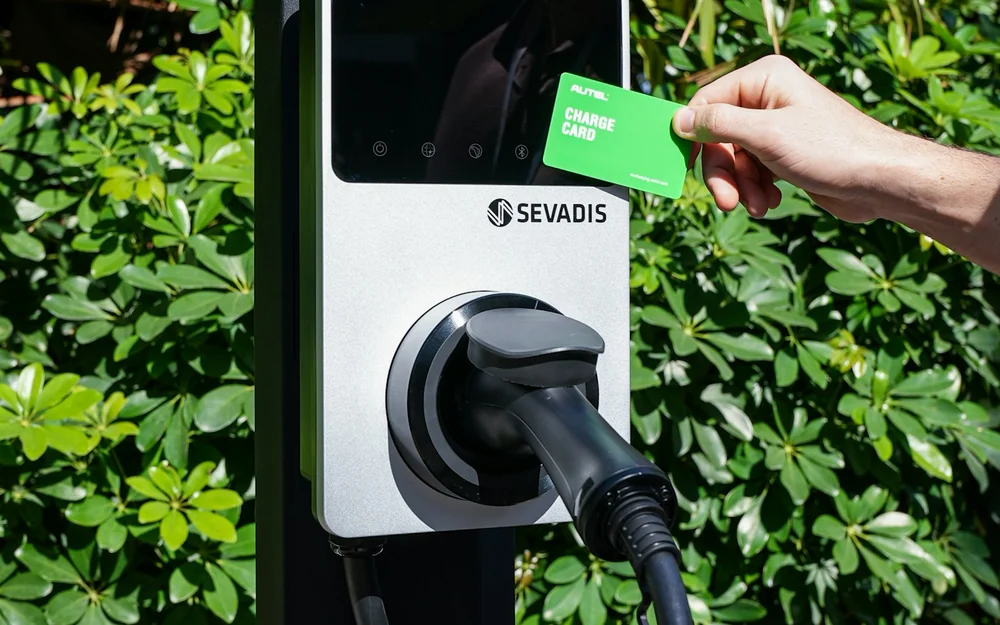
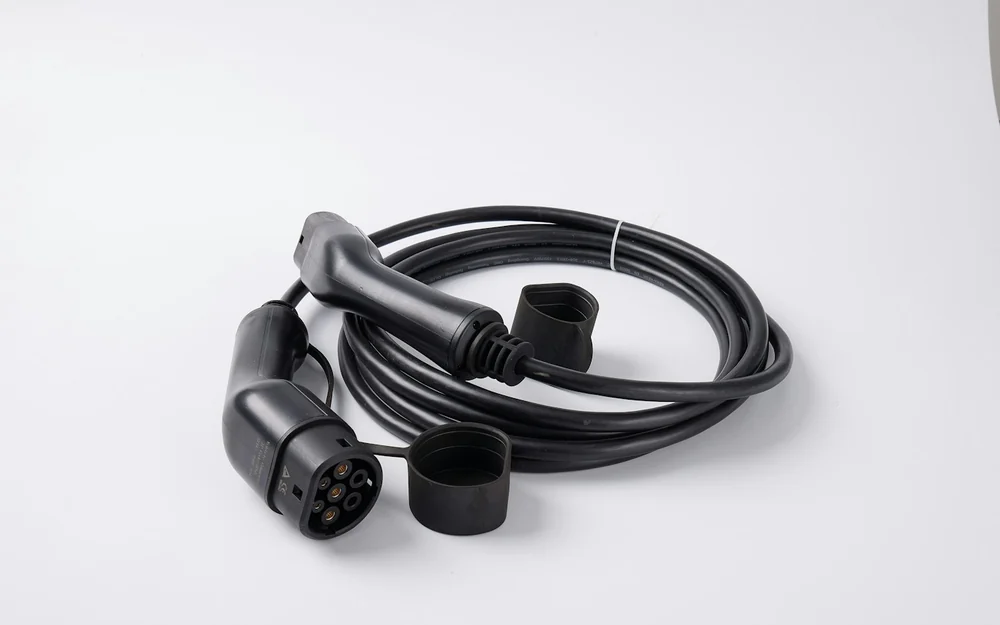
Ask which accessories are included in the price: an AC charging cable, portable equipment where supplied, bags and any approved adapters. Do not assume an item visible in a photograph automatically forms part of the sale. Ask whether it is specified for the actual vehicle version and request the available operating instructions.
Observe the visible condition
With the seller, inspect the cable covering, casing and visible components without dismantling anything. Damage, corrosion or unusual marks need assessment before use. An improvised arrangement is not established as safe merely because it worked previously. Insulation tape or a randomly chosen adapter does not make a defective cable suitable.
Check where charging will happen
Read both the vehicle and equipment manuals. Compatibility, installation capacity and protective equipment need confirmation; discuss electrical work with a qualified professional. Do not alter connectors or construct improvised combinations of multiway sockets and extension leads. If home charging is essential to the purchase, have the proposed location assessed before signing the vehicle contract.
Record exactly what changes hands
List every accessory, its declared condition and missing items in the handover document. Photograph useful labels without publishing personal information. If the seller promises later delivery of a cable, specify the product, deadline and who pays in writing. Keep the manuals and accessory paperwork with the vehicle documents. Your first charging session can then start with identified equipment and clear arrangements instead of another negotiation in a car park.