Start with the exact vehicle
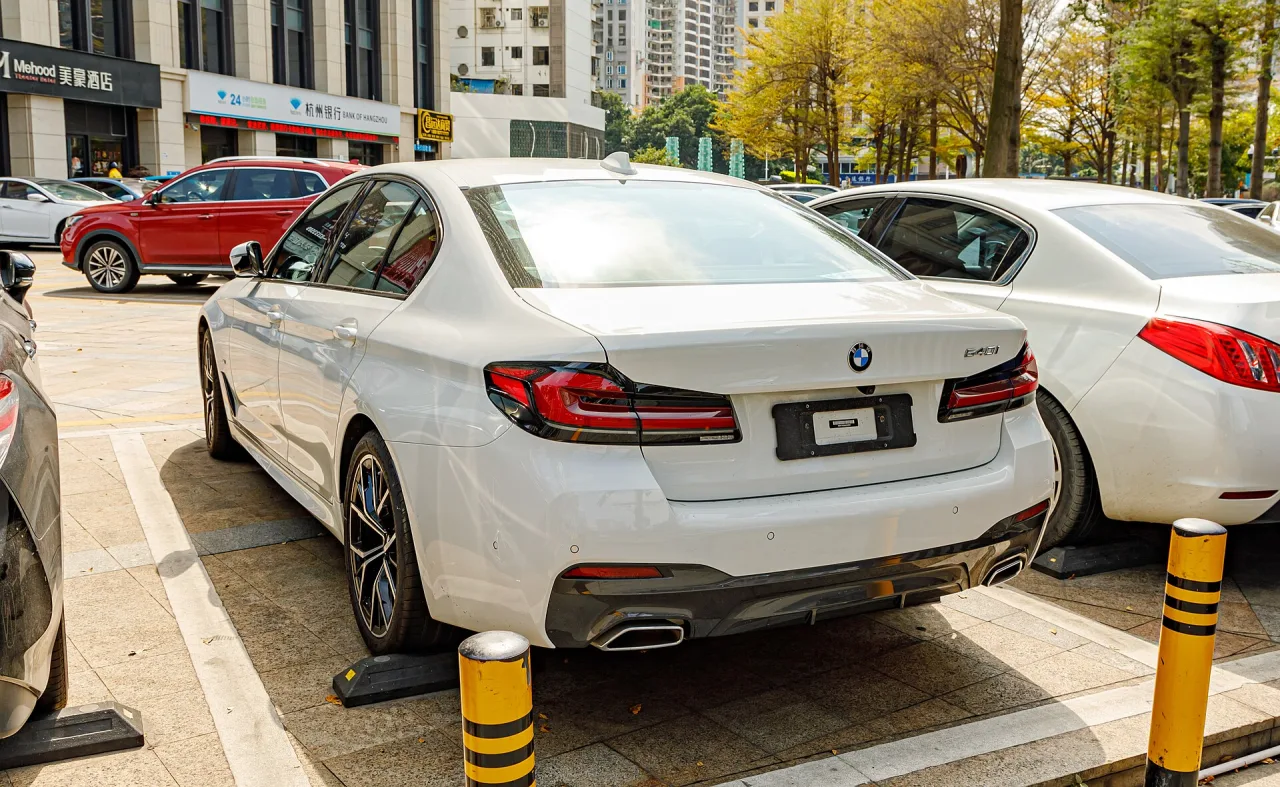
Two G30 listings can look alike while differing substantially in powertrain, suspension, seats, assistance systems and maintenance history. This guide provides a decision process for a used example, not a reliability verdict on every car in the generation. It is an editorial synthesis of manufacturer information and practical inspection questions. It does not claim that the pictured vehicle or a particular listing has been road-tested by the author.
Identify the generation and body
BMW uses G30 for this generation of 5 Series Sedan and G31 for the Touring. The Sedan reached markets in 2017. Separate the body style and pre-update or updated version before comparing asking prices. First registration can be later than manufacture, and registration in a particular year does not guarantee every change introduced that year. Ask for the production date and VIN-specific equipment record. Check that equipment on the vehicle matches the documents. An aftermarket styling package does not establish factory M Sport specification or the presence of particular assistance systems.
Test the space you will use
For the Sedan, try the luggage opening with your own usual bags or pushchair rather than relying only on a capacity figure. For a Touring, operate the tailgate and check the luggage cover and storage compartments. Look for moisture and listen for movement over ordinary bumps. Where the particular configuration has pneumatic suspension components, arrange a dedicated inspection and observe the vehicle after it has stood. Do not assume that every engine and body combination has the same suspension. Identify what is actually fitted before obtaining repair estimates.
Choose an engine around your journeys
Long motorway journeys and repeated short urban trips create different requirements for a diesel. For every engine, ask for invoices and the work performed, not just stamps. On a diesel, have the emissions treatment systems assessed with appropriate diagnostics. A dashboard without warning lights is not a condition measurement. For a petrol model, inspect a cold start, stable running and visible fluid leaks. A higher-output version can be attractive at a similar purchase price while demanding a different running budget. Neither fuel type nor engine badge substitutes for documented history and an independent inspection.
A 530e also needs an electric assessment
Ask to see a plug-in hybrid with charge in the battery and demonstrate charging. Displayed electric range is influenced by previous use and conditions; it is not an independent battery health certificate. Identify included cables, diagnostic records and any warranty still applicable to that VIN. Check the luggage area of the actual version, because component packaging can affect its usefulness. Calculate one scenario with regular charging and another with predominantly petrol driving. A weighted official consumption figure on its own will not describe an uncharged daily commute.
Transmission and all-wheel drive
Try gentle manoeuvres, then assess shifts on the road with the car warm and under moderate acceleration. A brief parking-lot drive is insufficient. Identify the transmission and obtain its maintenance documentation instead of applying a generic online interval. On xDrive cars, have tyre sizes, compatibility and wear checked. All-wheel drive does not compensate for unsuitable tyres or prove that a car has never been damaged. Vibration, hesitation and unusual noises need investigation before a deal. Do not accept a vehicle-specific symptom as normal simply because someone calls it a characteristic of the model.
Confirm the advertised options
Test seat adjustments, climate control, lights, cameras, sensors and phone connectivity. For a claimed surround-view system, examine the available camera views. Confirm the audio equipment from both the specification and operation; a labelled speaker grille alone is inadequate evidence. Ask which driver assistance functions are actually fitted. Use them only in safe conditions and in accordance with the manual; never create a dangerous situation to test automatic braking. Assistance is not autonomous driving. Record missing or non-working items so that two otherwise similar cars can be compared fairly.
History, recalls and imports
Build a timeline from dated invoices, inspections and mileage records. A mismatch calls for an explanation and evidence; it is not automatic proof of fraud. Check open technical actions for the individual VIN through the BMW channel relevant to its market or an authorised partner. A recall affecting another 5 Series does not establish that this one is affected. Commercial history reports and physical inspections answer different questions. For an imported car, establish origin, documentation and registration arrangements before paying a deposit.
Build a realistic ownership budget
Get estimates for the actual tyre size, brakes, servicing and work found during inspection. Large wheels can change both comfort and replacement costs. Separate immediate repairs from recurring maintenance and keep a contingency appropriate to your finances and the vehicle's condition. Use your own fuel or electricity tariffs and obtain an insurance quote for your circumstances. Compare transport, warranty terms and any trade-in cash difference separately from the advertised vehicle price. Keep important promises in the on-site conversation. Finally, arrange an independent inspection including bodywork, underside and diagnostics; a hybrid also requires suitable high-voltage expertise. A suitable configuration and evidence-backed history are stronger purchase criteria than a trim badge alone.
A comparison exercise
Compare a richly equipped car with a simpler example that has stronger maintenance evidence. List confirmed equipment, unknowns and necessary work for both. Obtain estimates for relevant findings and separately decide which options you would miss in daily use. A seat that does not suit you or a ride that is too firm can matter even without a fault. Ask for additional images of wheels, tyres, driving controls, luggage space and advertised accessories before travelling. A dashboard photograph needs a date and connection to the actual vehicle; it does not authenticate the complete history. Missing information is a question to resolve, not a reason to assume either perfect condition or fraud.