Start with the vehicle recommendation
Do not choose pressure from a figure another driver happens to use. Consult the vehicle label and manual for the fitted size and intended load. Different situations may require different recommendations. Cold measurement and a suitable gauge matter when making a useful comparison. If the documents and fitted wheels disagree, ask a workshop to clarify the arrangement rather than improvising a value.
Read the label in context
The European tyre label covers rolling resistance, wet grip and external rolling noise. Those measures help compare products, but do not summarize every possible behaviour or describe the wear of tyres fitted to a used vehicle. Compare the same size and check the precise product identity. A good label rating cannot compensate for damage or a tyre that is unsuitable for the vehicle.
Look at every wheel
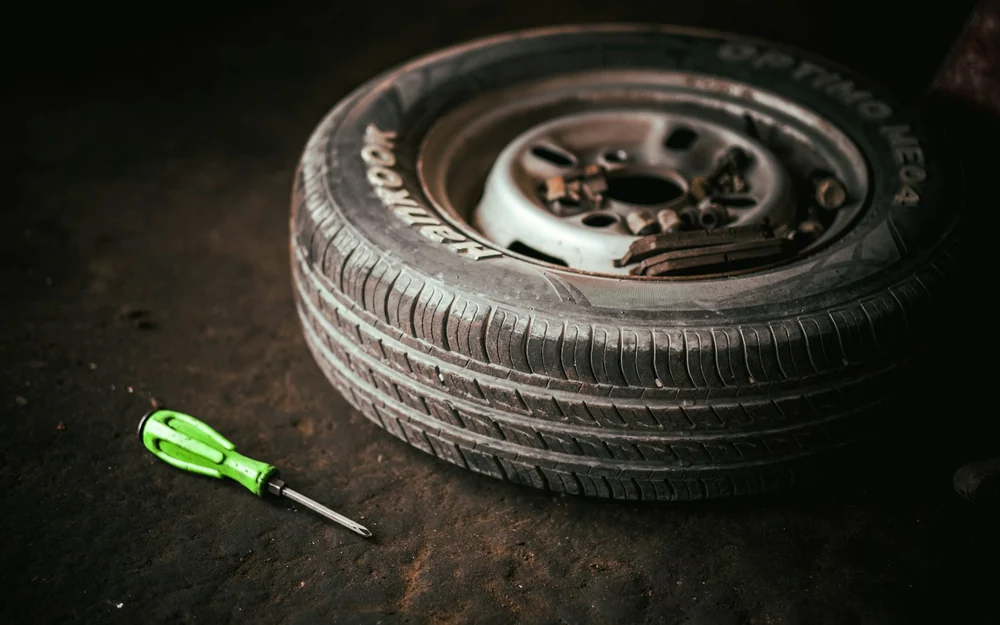
During a viewing, observe uneven wear, cuts, bulges and other damage, and ask about repairs. Do not inspect only the tyre most visible in the advertisement. Assess markings, compatibility and condition across the whole set. Manufacturing date is information rather than a complete diagnosis. If you cannot interpret a wear pattern, request professional checks instead of declaring a suspension or alignment fault from appearance alone.
Budget for a possible replacement
Obtain a quote for the required size and specification, including fitting and relevant work, rather than only the cheapest advertised item. Check which spare wheel or repair equipment comes with the car. A set needing replacement can materially change acquisition cost. Follow appropriate instructions and specialist advice for fitment, pressure and repairs rather than treating an attractive appearance as evidence of suitability.